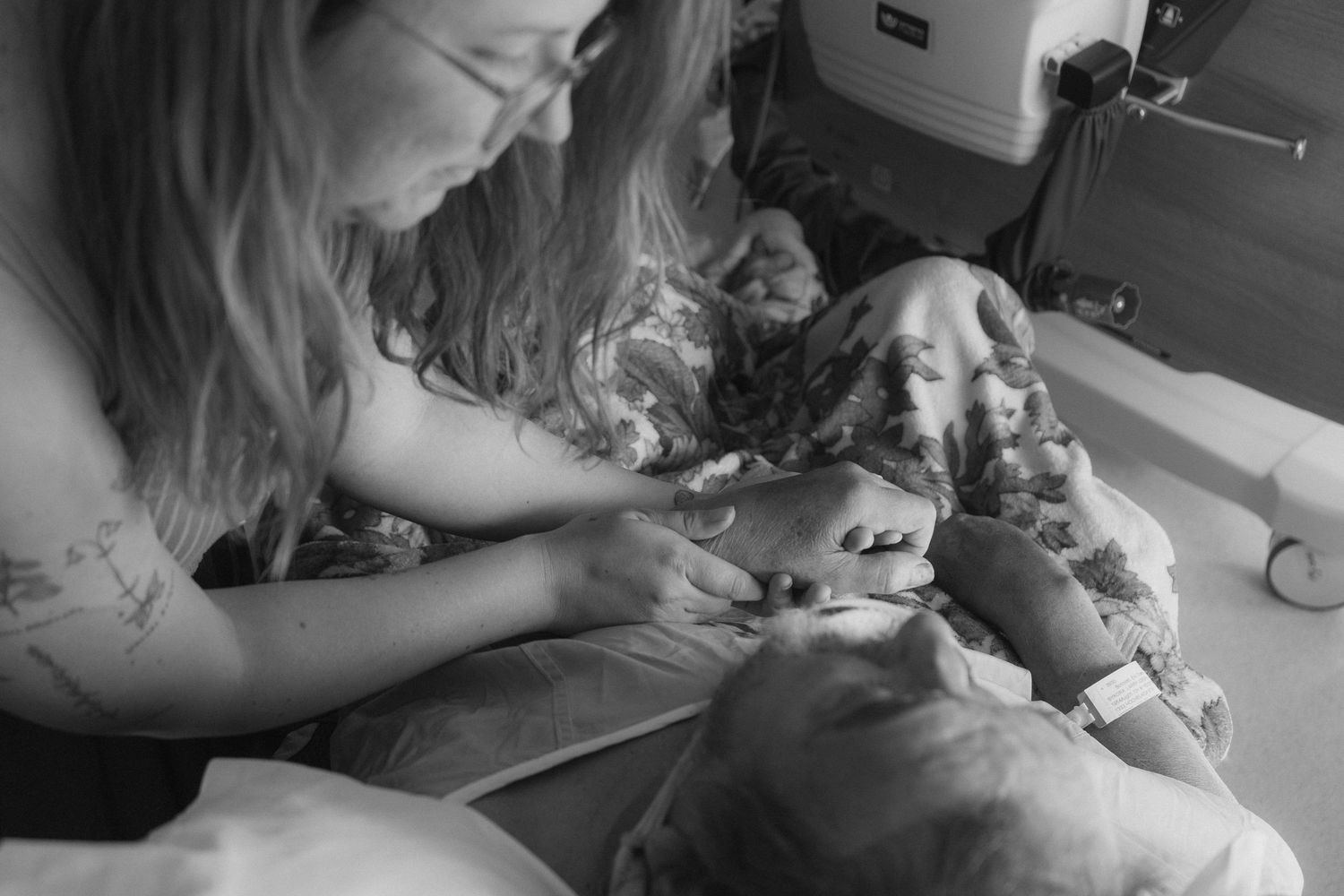
I never set out to work in end-of-life care.
For more than ten years, birth has been at the heart of my work. Supporting families through pregnancy, birth and the postpartum period taught me far more than the physiology of birth. It shaped the way that I understand care itself. I learned how profoundly our environment influences the body and mind, how education helps replace fear with confidence and how meaningful it is to have someone present to sit alongside vulnerability.
Founding Saskatchewan Bereavement Photography Network (SaskBPN) deepened my understanding further. Walking alongside families experiencing pregnancy and infant loss reminded me that presence and support remain just as important when a story ends sooner than expected.
As I continued learning, I found myself drawn to another profound physiological experience: dying.
Like birth, dying is a human process. While everyones experience is unique, many of the same principles continue to matter. Understanding what is happening, feeling safe, having your choices respected, being surrounded by people who listen before they lead, who educate without overwhelming and who recognize that every experience is personal. Those are the same in birthwork and in deathwork.
My role as an end-of-life (death) doula is not to replace your healthcare team or provide medical care. My role is to walk alongside you and the people you love with compassionate, non-medical support. Whether we're having conversations after a diagnosis, creating legacy projects (my background as a photographer for 13 years helps here), supporting caregivers, planning for the future or simply sitting together in silence, my hope is that you feel informed, supported and never alone.
Birth remains the heart of my work and always will. End-of-life care has simply become another expression of the same philosophy that has guided me from the beginning: respecting that innate wisdom within your body, protecting your wishes and offering presence through experiences that cannot be repeated.
FAQ
"What is an end-of-life (or death) doula?"
An end-of-life doula provides non-medical emotional, educational and practical support to someone living with serious illness and to the people who love them. Every journey is different so support is tailored to your needs and may begin after a diagnosis, during palliative care, in the final days of life or in the weeks surrounding a loved ones death.
"When should I contact an end-of-life doula?"
There is no right time. Some people reach out immediately after receiving a diagnosis. Others connect during palliative care, when treatment is ending or in the final days of life. Some families simply want guidance and someone to walk alongside them as they navigate an unfamiliar season. Support can begin whenever it feels helpful.
"Where do you provide support?"
Support has been provided in my clients homes, in-hospital, in a long-term care setting or virtually, depending on your needs and location. I do travel throughout Saskatchewan (I am from a small, small town, so I understand that rural communities often don't have these services) and may be available depending on location and scheduling.
30-60 minute complimentary intake call
This is a chance for us to get to know one another, discuss where you are at and explore the kind of support you're looking for. We'll talk about your current circumstances, answer any questions you have and determine whether my approach feels like the right fit for you and your family.
Finding the right end-of-life doula is an important decision and I believe that you should feel comfortable, supported and never pressured. Whether or not we decide to work together, my hope is that you leave our phone call feeling heard and better informed about the support that is available to you.
Book your intake call here.
"What's Next?" Planning Session
A new diagnosis can bring an overwhelming amount of information, decisions and uncertainty. This session creates space to slow down, process what is happening and begin planning with intention.
This session is about creating a foundation so that you and your loved ones feel more prepared for what's ahead.
*This can also be used as a family wishes and help with facilitating communication*
2 hour session (average)
$200
Ongoing End Of Life Support
Sometimes support is needed beyond a single conversation. Ongoing support provides continued companionship, education and practical guidance throughout. Depending on your needs, support may include:
– Regular visits
– Emotional support
– Caregiver support
– Resource navigation
– Preparing for changes ahead
– Legacy planning
– Communication support
– Education about the dying process
– End-of-life presence
Support can be adjusted based on where you are in your journey.
monthly support package
$800
Bereavement Photography
Photography has always been a meaningful part of my work.
Through the nonprofit that I founded in March of 2026, Saskatchewan Bereavement Photography Network (SaskBPN), families experiencing loss may receive bereavement photography and a physical keepsake album at no cost.
For families who wish to document their loved ones life, relationships and final chapter, photography can become a meaningful preservation of connection and your memories.
NO COST OR BY DONATION
$000
vigil support – most commonly booked ($600 plus taxes)
The final days of life are usually filled with uncertainty. Families might wonder what to expect, how to create a peaceful environment or simply want the reassurance of having someone experienced beside them.
Vigil Support is designed to provide compassionate, non-medical guidance before and during the dying process.
We'll meet one or two times beforehand to discuss your wishes, values, family dynamics and the environment you hope to create. We'll talk about who you would like present, meaningful music or readings, cultural or spiritual traditions, comfort measures and any details that will help ensure your final days reflect what matters most to you.
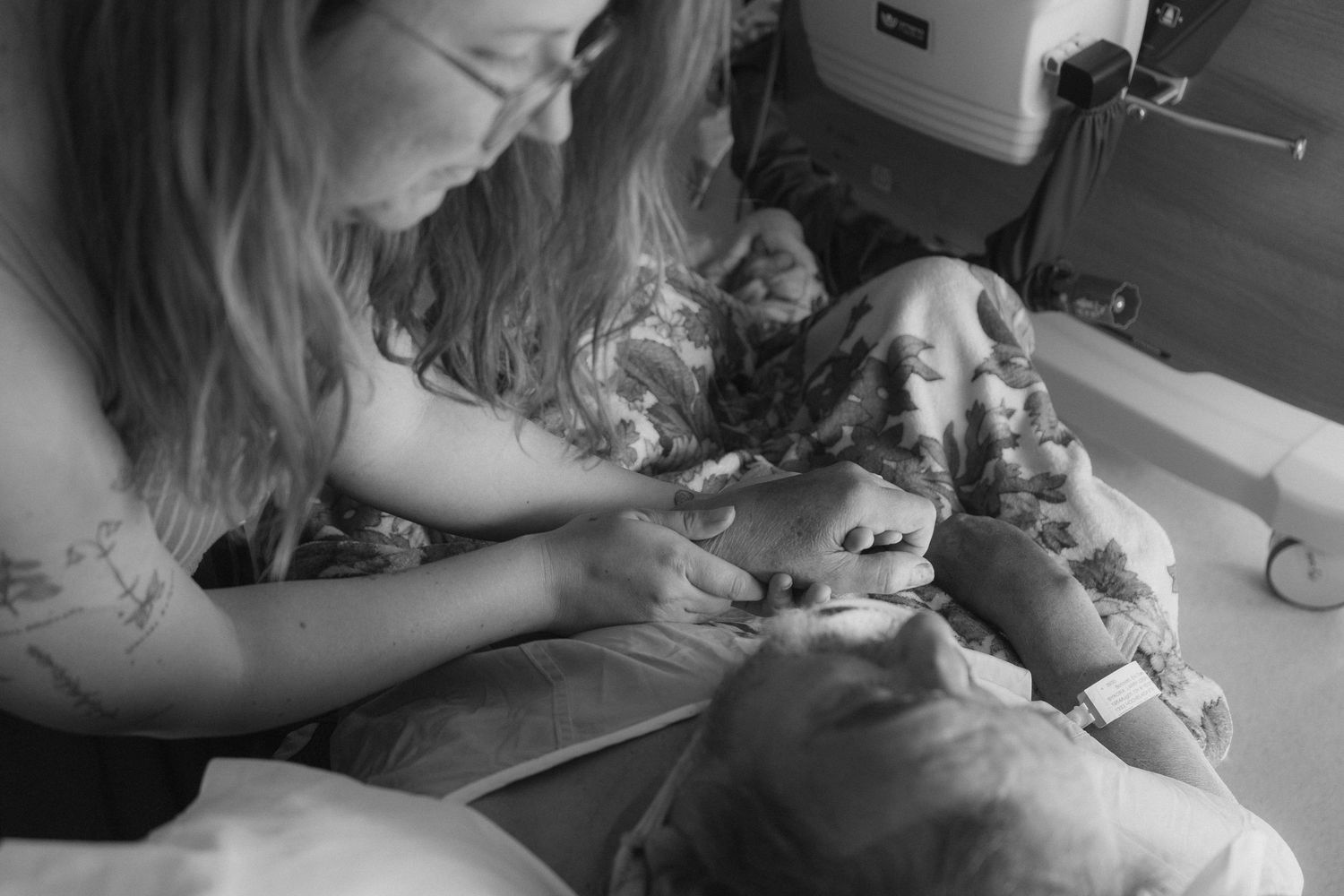
When the time comes, I will join you (alone, or with your loved ones) to provide a calm, supportive presence throughout active dying. My role is to gently support both my clients and their family by helping explain common changes in the dying process, offering reassurance, maintaining the environment that we've thoughtfully planned together and creating space for meaningful moments, whether that's conversation, silence, storytelling, laughter, tears or simply sitting together.
Following the death, I'll remain with your family for a short time to provide emotional support, answer immediate non-medical questions and help everyone transition through those first moments before stepping away. I will still be accessible to your family for the next two weeks for any help or grief support that might be needed.
Book your intake call below, or feel free to reach out through the contact form.
Have questions?